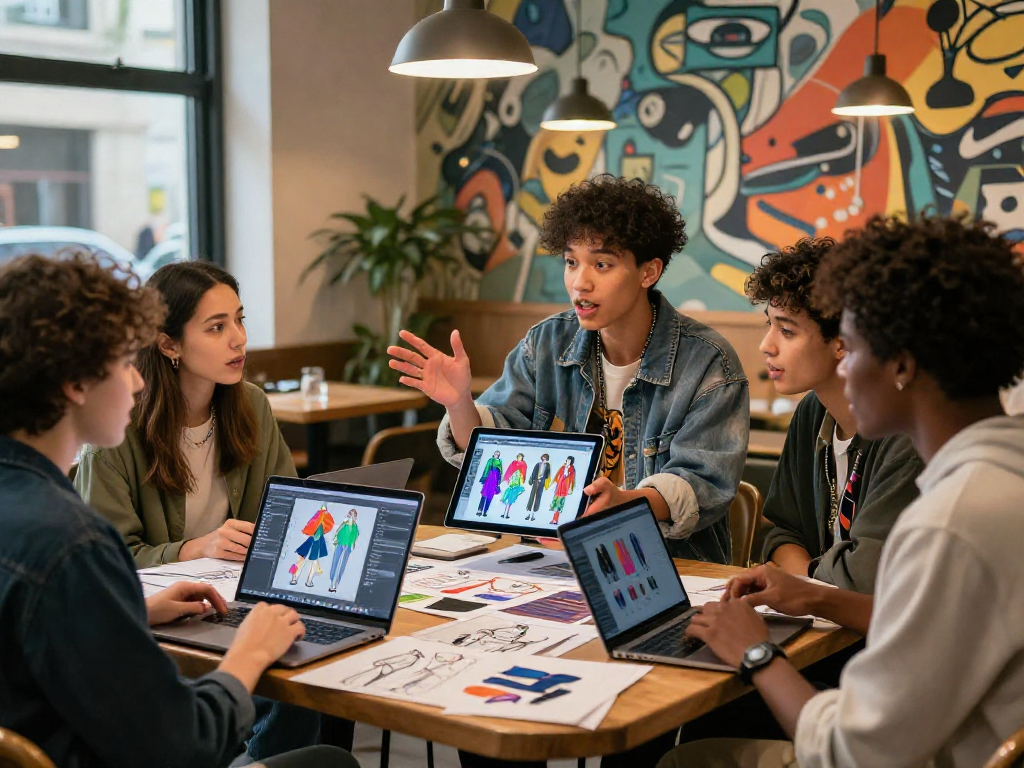
Understanding the ai slut Fashion Concept
The term "ai slut" is an intriguing convergence of artificial intelligence and the fast-evolving fashion landscape. As we navigate through 2026, the fashion industry is poised to undergo transformative changes, driven by AI's ability to analyze trends, understand consumer preferences, and even create unique designs. The ai slut concept encapsulates this merge, throwing light on how AI can be leveraged to redefine what fashion means today. In this article, we delve into the essentials of ai slut fashion, unpacking its implications, challenges, and future potential.
What Does ai slut Represent in Modern Fashion?
At its core, ai slut represents a fashion-forward synthesis where artificial intelligence influences design, marketing, and consumer engagement. This trend signifies more than just technological advancement; it reflects a shift in cultural and social paradigms. Modern fashion is now less about exclusivity and more about accessibility and expression, with AI paving the way for personalized experiences. The incorporation of AI in fashion enables brands to cater their offerings based on real-time data, fostering a more intimate relationship between consumers and the brands they adore.
How AI is Revolutionizing Fashion Design
Artificial intelligence is revolutionizing fashion design by streamlining processes and introducing unprecedented creativity. AI tools analyze vast datasets to identify patterns in consumer behavior, providing designers with insights that were previously unattainable. For instance, AI can predict color trends or fabric preferences based on social media analytics and sales data. This trend allows designers to create collections that resonate deeply with customers, ensuring that offerings are not only trendy but also relevant.
Common Misconceptions About ai slut Fashion
Despite its myriad benefits, misconceptions surrounding ai slut fashion persist. Many view AI as a threat to creativity; however, it should be seen as a powerful ally. AI does not replace the creative process; instead, it enhances it by providing designers with tools that can spark inspiration and innovation. Additionally, there’s a perception that AI lacks the human touch, but modern AI models are capable of simulating human-like creativity, resulting in designs that are both artistic and market-ready.
Key Metrics for Tracking ai slut Fashion Trends
In the fast-paced world of fashion, especially within the ai slut niche, tracking key metrics is essential to understand industry dynamics. Metrics such as audience engagement, sales growth driven by AI, and social media influence on fashion narratives can yield valuable insights. These indicators not only help brands fine-tune their strategies but also guide their creative directions.
Identifying Audience Engagement Levels
Audience engagement is a crucial metric for measuring the effectiveness of AI-driven initiatives in fashion. Brands need to monitor interaction rates across platforms; likes, shares, comments, and direct messages all contribute to a holistic understanding of consumer interest. Utilizing AI tools can help analyze these interactions in-depth, providing brands with actionable insights on how to improve engagement levels.
Measuring AI-Driven Sales Growth
Sales growth is a direct indicator of the success of AI integration in fashion. By comparing sales data before and after implementing AI tools, brands can evaluate the impact of these technologies on revenue generation. Understanding which AI-driven designs and marketing strategies yield the best results is key to scaling future initiatives.
Assessing Social Media Impact on Fashion Narrative
Social media plays a fundamental role in shaping fashion narratives today. Brands must assess how their AI-generated content performs across various social platforms. Engagement metrics and sentiment analysis can reveal how consumers perceive the brand and its offerings, enabling brands to adapt their messages accordingly.
Challenges in Implementing ai slut Fashion Innovations
While the potential of ai slut fashion is immense, several challenges remain in the implementation of AI innovations. From technical barriers to consumer acceptance, navigating these hurdles is vital for success in the industry.
Technical Barriers to AI Adoption in Fashion
One of the significant challenges in adopting AI in fashion lies in the technical limitations. Many brands lack the infrastructure to implement sophisticated AI tools, often due to budget constraints or insufficient technical know-how. This gap can hinder the potential benefits of AI, delaying progress towards a more innovative and responsive fashion industry.
Consumer Perception and Acceptance Issues
Consumer perception of AI in fashion also poses a challenge. While some embrace the technology, others may be wary of its implications on creativity and employment. Addressing these concerns through transparent communication and showcasing the benefits of AI in enhancing the shopping experience can foster greater acceptance among consumers.
Balancing Creativity with AI Capabilities
A balancing act is required between leveraging AI capabilities and maintaining human creativity in fashion. While AI can analyze data and predict trends, it lacks the emotional intelligence and cultural understanding that human designers bring to the table. Finding this balance is crucial for the future of fashion, as it allows for innovation without sacrificing authenticity and artistic expression.
Best Practices for Leveraging ai slut in Fashion Marketing
To thrive in the evolving landscape of ai slut fashion, brands must adopt best practices in their marketing strategies. Leveraging AI tools, highlighting authenticity, and building a community around the concept can reinforce brand loyalty and drive sales.
Integrating AI Tools for Enhanced Marketing Strategies
Brands should integrate AI tools into their marketing strategies to enhance effectiveness. From automated customer service bots to personalized email campaigns powered by AI analytics, these technologies can optimize interactions with consumers, ensuring that communication is both timely and relevant.
Showcasing Authenticity in AI-Generated Content
Authenticity is vital in creating a lasting connection with consumers. Brands should be transparent about their use of AI in design and marketing while emphasizing their commitment to quality and craftsmanship. Showcasing behind-the-scenes processes and the human touch in AI-driven projects can enhance the perception of authenticity.
Building a Community Around ai slut Fashion
Building a community around ai slut fashion can enhance brand loyalty and create a dedicated consumer base. Engaging customers through social media campaigns, interactive content, and events can foster a sense of belonging, encouraging customers to champion the brand and its offerings.
Future Trends in ai slut Fashion for 2026 and Beyond
As we look toward the future, several trends are emerging in ai slut fashion that will shape the landscape beyond 2026. These include advancements in technology, a focus on sustainability, and evolving consumer behaviors that brands must adapt to.
Emerging Technologies Shaping the Fashion Industry
Emerging technologies such as augmented reality (AR) and virtual reality (VR) are poised to revolutionize the way consumers interact with fashion. By offering virtual try-ons and immersive shopping experiences, these technologies can enhance consumer engagement, bridging the gap between online and in-store shopping.
Sustainability and AI: A New Frontier
Sustainability will be a major focus area in fashion, with AI helping brands create eco-friendly designs and optimize supply chains to reduce waste. Brands that can effectively demonstrate their commitment to sustainability while employing AI innovations will resonate with increasingly conscious consumers.
Predictions for Consumer Behavior and Fashion Choices
Consumer behavior is likely to shift toward valuing personalization and unique experiences in fashion. As AI continues to evolve, brands that leverage these technologies will be better positioned to cater to the individual preferences of consumers, creating tailor-made experiences that enhance satisfaction and loyalty.
What role does AI play in the future of fashion?
AI will play a transformative role in shaping the future of fashion, serving as both a creative assistant and an analytical powerhouse that informs design and marketing strategies.
How can brands effectively track ai slut fashion trends?
Effective tracking of ai slut fashion trends involves utilizing AI tools that analyze consumer data, social media engagement, and sales performance metrics, allowing brands to tailor their offerings accordingly.
What challenges might arise with AI innovations in fashion?
Challenges may include technical barriers, consumer acceptance issues, and the need to balance AI capabilities with human creativity, all of which brands must navigate to successfully integrate AI into their practices.
What are the benefits of using ai slut fashion metrics?
By utilizing ai slut fashion metrics, brands can gain comprehensive insights into consumer preferences, sales trends, and engagement levels, leading to more informed decision-making and strategic planning.
How is consumer perception of AI affecting the fashion industry?
Consumer perception of AI significantly impacts the fashion industry, with acceptance leading to greater adoption and innovation, while skepticism may hinder the integration of new technologies.